Medicinal herbs for preparedness
Medicinal herbs are not a replacement for antibiotics, trauma care, or modern diagnostics — but 15 well-chosen plants, properly identified and prepared, can meaningfully reduce suffering and extend your options when supply chains break down. The herbs on this page cover digestive complaints, sleep disruption, anxiety, wound care, immune support, respiratory illness, pain, and hormonal symptoms. Each profile gives you what you need to grow, identify, harvest, prepare, and use the plant safely.
Educational use only
This page provides general educational information for emergency preparedness scenarios when professional medical care is unavailable. It is not a substitute for professional medical advice, diagnosis, or treatment. Always seek the advice of a qualified healthcare provider. Use this information at your own risk.
Safety summary: high-risk interactions at a glance
Before reading individual profiles, scan this table for your current medications. If you are taking any of the drugs listed, consult with a healthcare provider before use.
| Herb | Critical drug interaction | Pregnancy | Internal use restricted? |
|---|---|---|---|
| St. John's Wort | Major — oral contraceptives, warfarin, HIV antiretrovirals, SSRIs (serotonin syndrome), cyclosporine | Avoid | No restriction (adults only) |
| Valerian | Additive sedation — benzodiazepines, alcohol, opioids | Avoid | No restriction |
| Chamomile | Additive anticoagulation — warfarin | Caution | No restriction |
| Lemon balm | May inhibit thyroid — levothyroxine | Caution | No restriction |
| Elderberry | Use caution — immunosuppressants, diuretics | Caution | Raw berries toxic — cook first |
| Comfrey | None significant (topical only) | Avoid topical | Internal use prohibited |
| Yarrow | Additive — blood thinners | Avoid | No restriction |
| Ashwagandha | Thyroid hormones, sedatives, immunosuppressants | Avoid | No restriction |
| Black cohosh | Hepatotoxic drugs, hormone therapies | Avoid | No restriction |
| Echinacea | Immunosuppressants | Avoid | No restriction |
| Peppermint | Cyclosporine (absorption interference) | Safe in culinary amounts | Essential oil: never give to infants |
| Lavender | CNS depressants (additive sedation) | Safe in culinary amounts | Essential oil: do not ingest |
| Calendula | Sedatives, blood pressure medications (theoretical) | Avoid | No restriction |
| Thyme | Anticoagulants (high doses) | Safe in culinary amounts | No restriction |
| Plantain | None significant | Safe | No restriction |
St. John's Wort drug interactions are major and well-documented
St. John's Wort induces CYP3A4 enzymes and P-glycoprotein, accelerating the clearance of dozens of drugs. Documented outcomes include unintended pregnancies from oral contraceptive failure, reduced INR in warfarin patients, antiretroviral treatment failure, and serotonin syndrome when combined with SSRIs. This is not theoretical — these interactions have produced adverse outcomes in clinical settings. Do not use St. John's Wort with any prescription medication without consulting a prescriber.
The 15 plant profiles
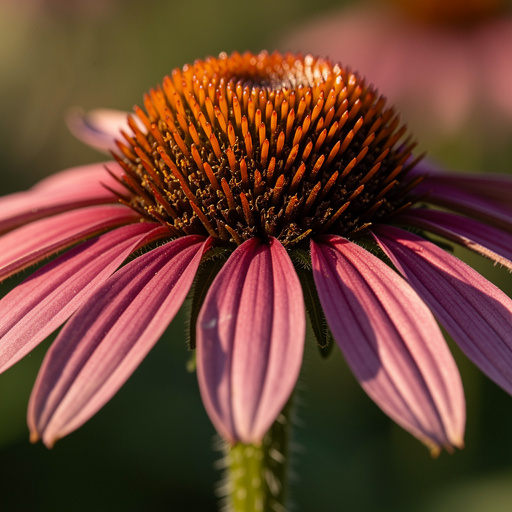
1. Echinacea (Echinacea purpurea)
USDA Zones: 3–9
Primary uses: Short-term immune support during upper respiratory infections (cold and flu), topical wound healing, mild anti-inflammatory support.
Identification: Purple coneflower with raised, spiny, orange-brown central cone (the most distinctive feature). Petals droop slightly downward. Leaves are rough and lance-shaped with three prominent veins. Stems are stiff and hairy, reaching 2–4 feet (60–120 cm). Blooms mid-summer through early fall.
Dangerous lookalikes: None documented. Other coneflowers (Rudbeckia spp., black-eyed Susans) have yellow petals and a flatter, less spiny central disk — an easy distinction.
Growing conditions: Full sun. Well-drained soil, tolerates drought. Low fertility preferred — rich soil produces lush leaves at the expense of root medicinal compounds.
Harvest timing: Leaves and flowers at peak bloom. Roots in the fall of the plant's second year or later, after at least one full growing season. Roots contain the highest concentration of active alkylamides and caffeic acid derivatives.
Preparation: Tea (1–2 teaspoons dried herb per cup, steep 10–15 minutes). Tincture (1:5 ratio in 60% alcohol). Standard adult dose: 300 mg dried root extract or 2–3 mL tincture three times daily at first sign of infection.
Contraindications: Autoimmune conditions (lupus, rheumatoid arthritis, multiple sclerosis) — echinacea stimulates immune function, which can worsen these conditions. Do not use continuously for more than 8 weeks. Allergy to plants in the Asteraceae/daisy family.
Drug interactions: Immunosuppressants (cyclosporine, tacrolimus, corticosteroids) — reduces effectiveness.
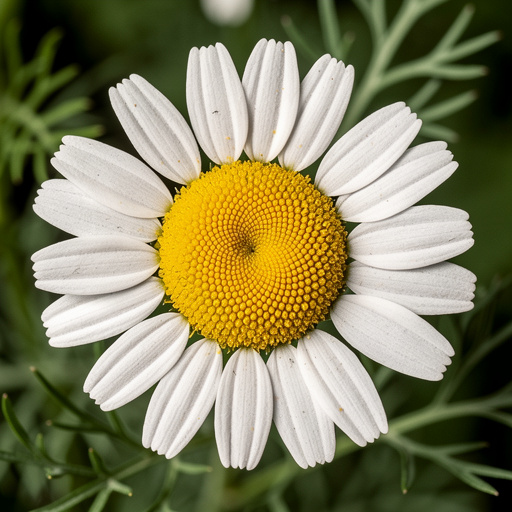
2. Chamomile (Matricaria chamomilla)
USDA Zones: 2–8 (annual in most climates)
Primary uses: Digestive upset, bloating, and cramping. Sleep support. Anti-inflammatory, particularly for skin irritation. Mild anxiety.
Identification: Small daisy-like flowers with white petals surrounding a raised, hollow yellow center dome — the hollow center is a key identification feature. Crush the flower head and you should detect a distinct apple-like scent. Leaves are feathery and thread-like. Plants grow 12–24 inches (30–60 cm) tall.
Dangerous lookalikes: Scentless mayweed (Tripleurospermum inodorum) looks nearly identical but has a solid center disk and no scent when crushed. It is not toxic, but it has no medicinal value. Test the scent before harvesting — genuine chamomile smells unmistakably of apples.
Growing conditions: Full sun. Dry, well-drained, slightly alkaline soil. Tolerates poor soils. Self-seeds prolifically — allow some flowers to go to seed and you will rarely need to replant.
Harvest timing: Flowers just as they fully open — petals horizontal, not yet drooping. Pinch the flower heads individually. Morning harvest after dew has dried is optimal.
Preparation: Tea (1–2 teaspoons dried flowers per cup, steep covered 5–10 minutes — covering prevents volatile oil evaporation). For skin use: strong infusion as a compress. Standard adult dose: 1–4 cups daily.
Contraindications: Ragweed allergy — chamomile is in the Asteraceae family and shares antigens. Those with ragweed sensitivity should start with a small test dose and monitor for reaction.
Drug interactions: Additive anticoagulant effect with warfarin — chamomile contains coumarin compounds that may enhance anticoagulation. Monitor INR if combining. Minor potentiation of sedatives.
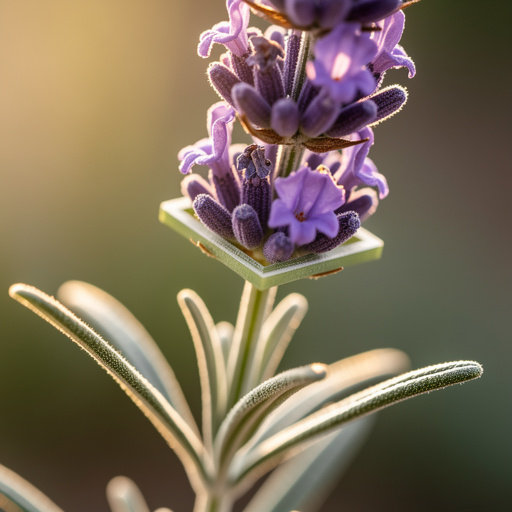
3. Lavender (Lavandula angustifolia)
USDA Zones: 5–8
Primary uses: Anxiety and nervous tension. Sleep support. Mild headache relief (topical). Antimicrobial for minor skin wounds and burns.
Identification: Dense purple flower spikes on long stems rising from a woody shrub base. Leaves are narrow, grey-green, and covered in fine silver hairs. The entire plant is strongly aromatic. Grows 2–3 feet (60–90 cm) tall and wide. Flowers appear from late spring through mid-summer.
Dangerous lookalikes: None. The scent alone distinguishes lavender from any potentially harmful plant.
Growing conditions: Full sun, 6+ hours daily. Alkaline, well-drained soil — lavender will rot in waterlogged conditions. Excellent in raised beds or sloped garden positions. Does not tolerate high humidity well.
Harvest timing: Harvest flower spikes when approximately half the buds on the spike have opened, before full bloom. This retains the highest volatile oil content. Cut stems in the morning after dew dries.
Preparation: Tea (1 teaspoon dried flowers per cup, steep 5–10 minutes). For anxiety and sleep: 2–3 cups in the evening. Essential oil (dilute to 2–3% in carrier oil, approximately 12 drops per ounce/30 mL, for topical application to temples and wrists for headache/anxiety). Never ingest lavender essential oil — concentrated essential oils are toxic by mouth. Sachets of dried lavender near the pillow for sleep support are effective and require no preparation.
Contraindications: Lavender allergy. In rare cases, topical lavender essential oil has been associated with hormonal effects in prepubescent males — avoid topical essential oil use in young children.
Drug interactions: Additive sedation with CNS depressants (benzodiazepines, opioids, sleep medications, alcohol). Use caution when combining.
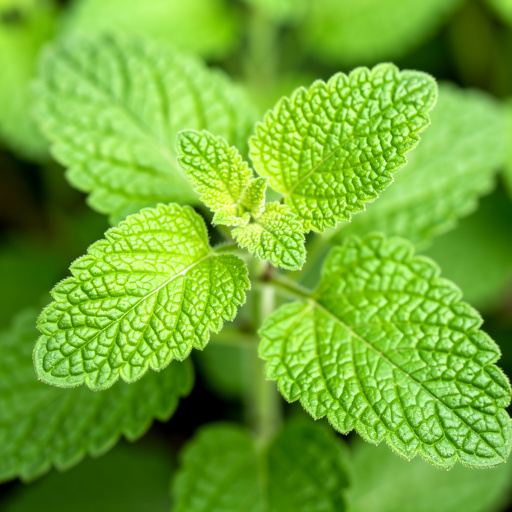
4. Lemon balm (Melissa officinalis)
USDA Zones: 4–9
Primary uses: Mild anxiety and nervousness. Sleep onset support. Cold sore suppression applied topically. Digestive spasm and bloating.
Identification: Square stem (a reliable marker for the mint family). Leaves are oval, crinkled or wrinkled in texture, and bright green with scalloped edges. The critical identification feature is lemon scent — crush a leaf firmly and you should immediately detect a strong, clean lemon fragrance. Related mints have rounder, less wrinkled leaves and smell of spearmint or peppermint, not lemon. Grows 1–2 feet (30–60 cm) tall.
Dangerous lookalikes: Other mint family members are not toxic but have no lemon balm properties. The lemon scent test is definitive.
Growing conditions: Partial shade preferred in hot climates; tolerates full sun in cooler zones. Moist, moderately fertile soil. Contains in a pot or raised bed — lemon balm spreads aggressively by root and self-seeding and will dominate a garden bed within 2–3 seasons if unconstrained.
Harvest timing: Just before flowering, when leaf oil concentration is highest. Cut stems to 4–6 inches (10–15 cm) above ground. The plant regrows and can be cut 2–3 times per season.
Preparation: Tea (2 teaspoons fresh leaves or 1 teaspoon dried per cup, steep covered 10 minutes). Tincture in 40% alcohol. Topical cream or infusion for cold sores — apply directly to affected area 3–4 times daily.
Contraindications: Thyroid conditions — lemon balm has documented TSH-inhibiting activity and may reduce thyroid hormone levels. Those with hypothyroidism or on thyroid medication should avoid or use with caution.
Drug interactions: Additive sedation with sedative medications. May interfere with thyroid medications (levothyroxine, synthroid) — separate administration by several hours if use is unavoidable.
5. Valerian (Valeriana officinalis)
USDA Zones: 4–9
Primary uses: Sleep onset difficulty and insomnia. Anxiety. Muscle tension and cramps.
Identification: Compound leaves (multiple paired leaflets on a central stem). Clusters of small white to pale pink flowers in a flat-topped arrangement (corymb). Grows 2–5 feet (60–150 cm) tall. The root is the most used medicinal part and has a very distinctive earthy, musty smell often described as dirty socks — this odor intensifies as the root dries and is a reliable identification confirmation.
Dangerous lookalikes: Water hemlock (Cicuta maculata) grows in wet habitats — marshes, ditches, stream edges — and can superficially resemble valerian. Water hemlock's stem is hollow, smooth, and may be streaked with purple, and the plant grows exclusively in wet ground. Valerian prefers moist but not waterlogged soil and is most commonly found in garden escapes, roadsides, or cultivated settings. Always verify habitat and the distinctive root smell before harvesting from the wild.
Growing conditions: Full sun to partial shade. Moist, well-drained soil. Tolerates a wide range of soil types. Performs well as a tall background plant in garden borders.
Harvest timing: Roots in the fall of the second year. Allow the plant to establish fully before harvesting — first-year roots have minimal medicinal content.
Preparation: Tincture (1:5 ratio in 40–60% alcohol) is preferred over tea because valerian's active compounds (valerenic acid) are poorly water-soluble at room temperature. If making tea, use hot water and steep 10–15 minutes. Typical tincture dose for sleep: 3–5 mL in water 30–60 minutes before bed. Capsule form is also widely available and avoids the strong odor.
Contraindications: Pregnancy and nursing. Liver disease (long-term high-dose use). Not recommended for children under 12.
Drug interactions: Major additive sedation with CNS depressants — benzodiazepines, opioids, barbiturates, antihistamines, alcohol. This interaction is clinically significant. Do not combine without physician guidance.
6. Calendula (Calendula officinalis)
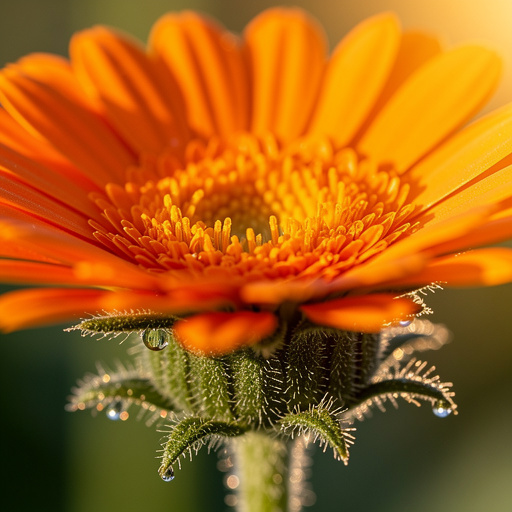
USDA Zones: 2–11 (annual)
Primary uses: Wound healing and minor cuts (topical). Skin inflammation, rashes, and minor burns. Antifungal support for skin conditions. Mild lymphatic support (tea).
Identification: Bright orange or yellow daisy-like flowers with multiple rows of ray petals. Green bracts beneath the flower are distinctive — they are long, narrow, sticky, and resinous to the touch. The plant has a characteristic resinous scent. Grows 12–24 inches (30–60 cm) tall. Blooms prolifically from late spring through frost.
Dangerous lookalikes: None. The sticky resinous bracts and distinctive scent are diagnostic. Common marigold (Tagetes spp.) looks similar but has a sharper, less pleasant scent and is not interchangeable medicinally.
Growing conditions: Full sun. Well-drained soil of moderate fertility. Tolerates cool temperatures and light frost. A productive and easy annual — one of the most beginner-friendly medicinal plants.
Harvest timing: When flowers are fully open, early in the day after dew dries. Deadhead regularly — removing spent flowers extends the blooming season and prevents the plant from going to seed prematurely.
Preparation: Infused oil (pack dried flowers loosely in a clean jar, cover completely with olive or sunflower oil, infuse in a warm location for 4–6 weeks, strain) — this is the base for calendula salve. Salve: melt beeswax into the infused oil at roughly 1 ounce beeswax (28 g) per 4 ounces oil (120 mL), pour into tins, allow to set. Tea as a wash for inflamed skin or as a mild internal lymphatic tonic (1–2 cups daily).
Contraindications: Allergy to plants in the Asteraceae family (ragweed, chrysanthemum, daisy). Avoid during pregnancy in medicinal doses — culinary amounts are generally considered safe.
Drug interactions: Theoretical interaction with sedatives (mild) and blood pressure medications. Not well-documented clinically.
7. Elderberry (Sambucus nigra)
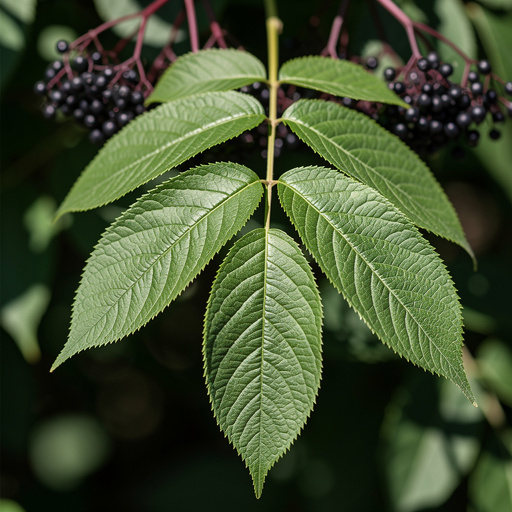
USDA Zones: 3–9
Primary uses: Immune support and reduction of cold and flu duration. Upper respiratory infections. Antiviral support.
Identification: A large shrub or small tree. Leaves are compound with 5–7 leaflets with serrated edges. Flowers appear in May–June as large, flat-topped clusters (corymbs) of tiny creamy-white blossoms with a light musky-sweet scent. Berries ripen in late August through September — they are small, round, and deep purple-black in clusters.
Ripe berries hang in heavy drooping bunches. Stems have a distinctive spongy white pith when cut.
Critical lookalikes: Two plants require awareness:
- Pokeweed (Phytolacca americana) — ALL parts highly toxic. Pokeweed has single, not compound, leaves; berries grow in elongated grape-like racemes rather than flat-topped clusters; and mature stems turn magenta-red to purple. Pokeweed lacks the white spongy pith of elderberry stems.
- Water hemlock (Cicuta maculata) — compound leaves can resemble elder in early growth. Water hemlock grows in wet areas only, has a hollow (not pithy) stem, and lacks the elderberry's flat-topped flower cluster. Any uncertainty: do not harvest.
Growing conditions: Full sun to partial shade. Moist, well-drained soil. Tolerates clay. Extremely productive — a mature shrub can yield 10–15 pounds (4.5–7 kg) of berries annually.
Harvest timing: Flowers in late spring, when fully open. Berries only when fully ripe — deep purple-black, not red or green. Unripe and red elderberries cause nausea and vomiting.
Preparation: Raw ripe berries cause nausea and vomiting — always cook or dry before use. The cyanogenic glycosides present in raw berries are rendered harmless by cooking. Elderberry syrup: simmer 1 cup (240 mL) dried berries in 3 cups (720 mL) water for 40–45 minutes until liquid is reduced by roughly half, strain and press berries through a sieve, cool to below 100°F (38°C), then stir in 1 cup (240 mL) raw honey. Store refrigerated for up to 3 months. Adult dose: 1 tablespoon (15 mL) daily for prevention, 1 tablespoon every 3–4 hours at onset of illness. Flowers can be made into tea or infused in water.
Contraindications: Autoimmune conditions — elderberry stimulates cytokine production. Avoid with immunosuppressant medications.
Drug interactions: Immunosuppressants (cyclosporine, tacrolimus, prednisone). Potential interaction with diuretics.
Pokeweed misidentification is life-threatening
Pokeweed (Phytolacca americana) is extremely toxic — all parts, including roots, leaves, and berries. It grows in similar habitats to elderberry and bears superficially similar dark berries in late summer. The critical distinguishing features: pokeweed berries grow in elongated raceme clusters (like a narrow bunch of grapes), mature pokeweed stems are magenta or purple, and pokeweed leaves are single (not compound). When in doubt, do not harvest. Grow your own elderberry from a named nursery stock.
8. St. John's Wort (Hypericum perforatum)
USDA Zones: 3–8
Primary uses: Mild to moderate depression. Nerve pain (topical infused oil). Minor wound healing. Anxious rumination.
Identification: Two key features. First, the petals of the bright yellow flowers have tiny black dots around their margins — visible with a hand lens. Second, and most reliable: hold a leaf up to sunlight and you will see translucent oil glands as tiny clear dots scattered through the leaf tissue. These translucent dots distinguish Hypericum perforatum from other yellow-flowered plants.
Grows 1–3 feet (30–90 cm) tall with small, opposite leaves. Flowers from June through August.
Dangerous lookalikes: None among commonly found species. The translucent oil gland test is a definitive field confirmation.
Growing conditions: Full sun. Dry, well-drained, even poor soil. Extremely drought tolerant once established. Can become invasive in disturbed soils — manage accordingly.
Harvest timing: Flowers at first opening. Fresh flowers produce the best tincture. The fresh flowers will stain your fingers and alcohol an intense blood-red, confirming the presence of hypericin.
Preparation: Tincture from fresh flowers in 60% alcohol — the gold standard for potency. Infused oil (fresh flowers in olive oil, infused in sunlight or warm location 4–6 weeks, strain) for topical nerve pain application. Tea from dried herb is less effective than tincture due to poor water solubility of key compounds.
Contraindications: Pregnancy. Bipolar disorder — may trigger manic episodes. Photosensitization in fair-skinned individuals — avoid prolonged sun exposure when using internally. Not for children under 12.
Drug interactions: This herb has the most significant drug interaction profile of any plant on this list. St. John's Wort is a potent inducer of CYP3A4 enzymes and P-glycoprotein, accelerating the metabolism and reducing blood levels of: - Oral contraceptives — documented unintended pregnancies from contraceptive failure - Warfarin — significantly reduced anticoagulation effect, risk of clotting events - HIV antiretrovirals (indinavir, efavirenz, lopinavir) — treatment failure risk - Cyclosporine — organ rejection risk in transplant recipients - Antidepressants (SSRIs) — serotonin syndrome risk from pharmacodynamic interaction - Digoxin — reduced blood levels - Many other CYP3A4-metabolized drugs — assume an interaction exists until verified otherwise
9. Yarrow (Achillea millefolium)
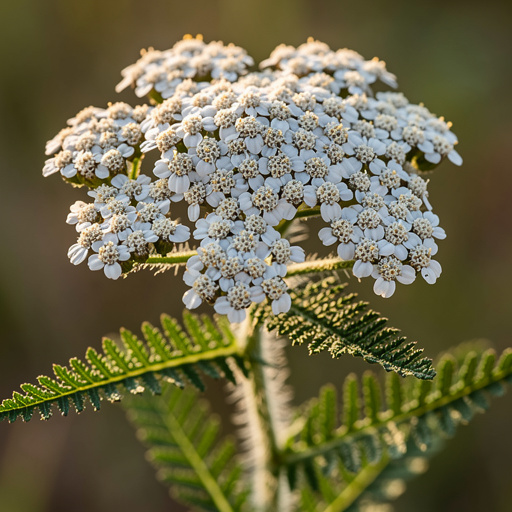
USDA Zones: 3–9
Primary uses: Wound styptic — yarrow applied as a poultice stops minor surface bleeding. Fever management (diaphoretic — promotes sweating). Digestive bitters. Anti-inflammatory.
Identification: Feathery, pinnately divided (finely cut, fern-like) leaves are the primary identification feature. The stem is hairy and grooved (not smooth, not purple-blotched). Flowers form a flat-topped cluster (corymb) of tiny white or pale pink florets. The entire plant has a distinctive aromatic smell when crushed.
Grows 1–3 feet (30–90 cm) tall. Extremely common in meadows, roadsides, and lawns throughout North America.
Critical lookalikes: - Poison hemlock (Conium maculatum) — smooth, hollow stem with distinctive purple-red blotching or streaking, especially near the base. Smells musty or unpleasant, like mouse urine when crushed. Grows in wet ditches and disturbed moist ground. All parts are lethal. Run your fingers up the stem: yarrow stems are hairy; poison hemlock stems are smooth and hairless. Purple blotches on the stem mean stop. - Wild carrot / Queen Anne's Lace (Daucus carota) — similar flower, but has a single tiny purple flower in the center of the cluster (absent in yarrow), and hairy stems with a carrot smell. Not toxic but not yarrow.
Growing conditions: Full sun. Dry to moderately moist, well-drained soil. Extremely drought tolerant. Spreads by rhizome — contain in beds if desired. One of the easiest medicinal plants to establish.
Harvest timing: Leaves and flowers at peak bloom — midsummer. Cut in the morning. Both leaves and flowers are used medicinally.
Preparation: Fresh poultice — chew a fresh leaf or bruise it firmly and apply directly to a minor wound for hemostatic effect. Dry the leaf first and apply as a powder for the same purpose. Tea (1–2 teaspoons dried herb per cup, steep 10–15 minutes) for fever or digestive support. Tincture in 40–60% alcohol.
Contraindications: Pregnancy — yarrow has traditional emmenagogue (menstruation-stimulating) use. Ragweed allergy. Stop use if skin irritation develops.
Drug interactions: Additive effect with blood-thinning medications (warfarin, aspirin, NSAIDs, clopidogrel). Monitor if combining.
10. Comfrey (Symphytum officinale)
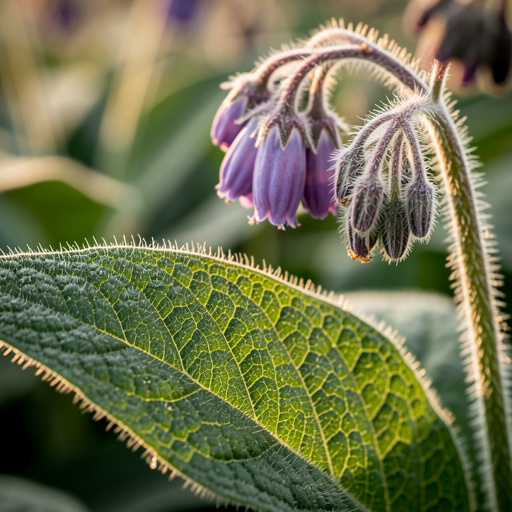
USDA Zones: 3–9
Primary uses: Topical wound healing — speeds cell proliferation via allantoin. Bruise resolution. Minor sprains and bone healing support (topical only).
Identification: Large, rough, and hairy leaves (key identifying feature — the texture is like coarse sandpaper). The hairiness is consistent from leaf surface to stem. Drooping bell-shaped flowers in purple, cream, or white. Grows 2–4 feet (60–120 cm). Very deep taproot — nearly impossible to fully remove once established.
Critical lookalike — Foxglove (Digitalis purpurea): Foxglove leaves can resemble young comfrey leaves before flowers appear. Key distinction: foxglove leaves are smooth to slightly downy on the upper surface (not rough sandpaper), and foxglove flowers are tall tubular bells with spotted interiors pointing upward on a one-sided spike — completely different from comfrey's drooping bell clusters. Foxglove contains cardiac glycosides and consuming it is potentially lethal. Run your fingers across the leaf: if it feels smooth or mildly soft, it is not comfrey.
Growing conditions: Full sun to partial shade. Moist, fertile soil. Extremely invasive — small root fragments regenerate into new plants. Grow in a dedicated bed or large containers. Do not compost comfrey roots.
Harvest timing: Leaves throughout the growing season, spring through fall. Roots in fall of year two or later if making root preparations (topical only).
Preparation: Poultice — bruise fresh leaves and apply directly to bruises, sprains, or closed wounds. Infused oil — pack dried leaves in oil for 4–6 weeks, strain. Salve from infused oil — same method as calendula salve above.
Contraindications: Internal use is prohibited. Comfrey contains pyrrolizidine alkaloids (PAs) — specifically symphytine, echimidine, and lycopsamine — that are metabolized into pyrrole metabolites capable of causing sinusoidal obstruction syndrome (hepatic veno-occlusive disease) and irreversible liver damage. Oral comfrey is banned or restricted in most countries for this reason. Topical PA absorption through intact skin is low (estimated at less than 5% of applied dose), making topical use reasonably safe for short periods. Do not apply comfrey to deep, puncture-type, or infected wounds — the cell-proliferation effect can seal bacteria inside the wound.
Avoid during pregnancy and nursing. Limit topical use to 6 consecutive weeks.
Drug interactions: Not applicable for topical use.
11. Plantain (Plantago major — broadleaf plantain)
USDA Zones: 3–9
Primary uses: Insect stings and minor bites (immediate topical relief). Minor cuts and abrasions. Sore throat (tea or gargle). Mild cough and mucous membrane soothing.
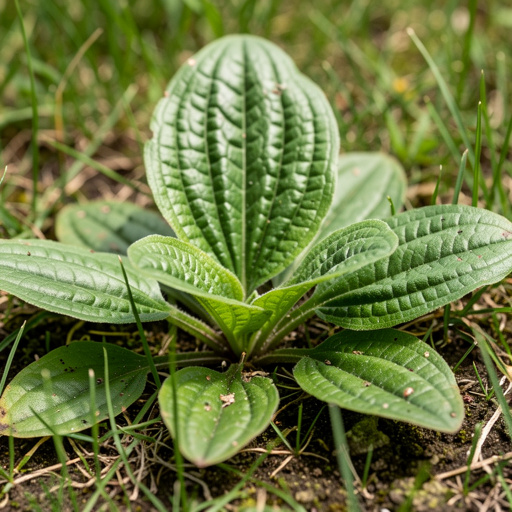
Identification: The broadleaf plantain is one of the most common and useful medicinal plants in North America and grows in almost every lawn and pathway. Oval to rounded leaves with five or more prominent parallel veins running from base to tip — these parallel veins are the most distinctive feature. The leaf midrib and veins are visible on the underside as raised ribs. The leaf base tapers to a channeled petiole.
Grows in a ground-hugging rosette 4–10 inches (10–25 cm) across. Flower stalk is a simple narrow spike of tiny greenish flowers. Not to be confused with the banana-family plantain (a tropical plant, entirely unrelated).
Dangerous lookalikes: None. The parallel-veined oval leaf in a ground rosette pattern is distinctive, and this plant is far too common and recognizable to be confused with anything harmful.
Growing conditions: Any soil, full sun to full shade, disturbed ground, compacted lawn, gravel paths. This plant grows where you do not want it — which is part of its value. It requires no cultivation.
Harvest timing: Young leaves at any point in the growing season. Older leaves become tougher but retain medicinal properties.
Preparation: Fresh poultice — chew a leaf to a pulp or bruise it firmly between clean hands and apply directly to a sting, bite, or minor wound. Change every 15–20 minutes. Tea — 1–2 teaspoons dried leaves per cup, steep 10 minutes, for sore throat or cough. No processing or special storage required for fresh field use — the plant is available where you stand.
Contraindications: None significant at normal use levels. Some individuals with grass or pollen sensitivity may experience minor reactions.
Drug interactions: None significant documented.
Field note
Plantain, yarrow, and lemon balm are the three plants to memorize first. All three grow in disturbed and cultivated ground throughout North America and Europe. Plantain for stings and minor wounds, yarrow for bleeding and fever, lemon balm for acute stress. You can harvest and use all three within minutes, in the field, with no preparation. These are your hedge against the scenario where the kit is not accessible.
12. Peppermint (Mentha × piperita)
USDA Zones: 3–11
Primary uses: Digestive upset, nausea, gas, and cramping. Headache relief (topical). Nasal and respiratory decongestant.
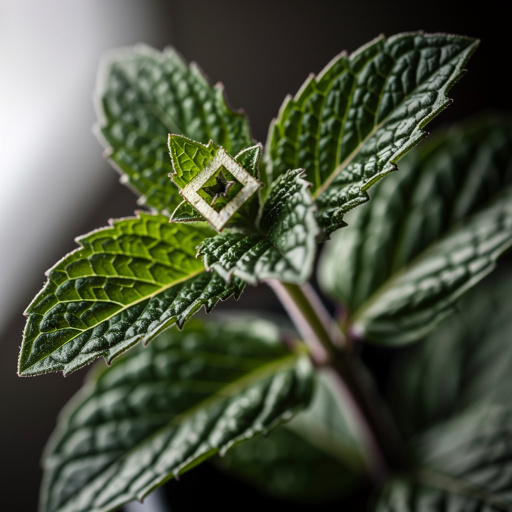
Identification: Square stem (mint family indicator). Dark green, toothed, oval leaves with prominent veins. Strong, sharp peppermint scent when any part of the plant is crushed — this is unmistakable. Leaves may have a slightly purple-tinged underside in some varieties.
Grows 1–3 feet (30–90 cm) tall. Small lilac flowers in terminal spikes.
Lookalikes: Spearmint (Mentha spicata) is the primary lookalike — milder, sweeter scent, lighter green leaves, rounder leaf tip. Not harmful, but lacks the menthol concentration of peppermint. The intensity of the cooling menthol scent distinguishes the two.
Growing conditions: Moist soil, partial shade preferred in hot climates. Aggressive spreader by underground runners — grow in containers or dedicated beds with root barriers. Peppermint is a sterile hybrid and does not set viable seed; it spreads exclusively by runners.
Harvest timing: Just before flowering for highest menthol concentration. Cut stems 4–6 inches (10–15 cm) above ground. Regrows to allow 2–3 harvests per season.
Preparation: Tea (1–2 teaspoons dried herb or 4–5 fresh leaves per cup, steep covered 5–10 minutes — cover prevents volatile oil loss). 1–3 cups daily for digestive symptoms. Topical: diluted peppermint essential oil (2% in carrier oil, approximately 12 drops per 30 mL carrier) applied to temples for headache or to chest for congestion.
Contraindications: GERD and acid reflux — peppermint relaxes the lower esophageal sphincter, worsening reflux symptoms. Avoid internal use with active heartburn. Do not apply peppermint essential oil to the face of infants or children under 6 — menthol can trigger bronchospasm and respiratory distress in young children. This contraindication applies specifically to the concentrated essential oil, not to properly diluted tea or mild preparations.
Drug interactions: Peppermint oil may affect the absorption and metabolism of cyclosporine. Separate administration timing. Mild additive effect with antacids.
13. Thyme (Thymus vulgaris)
USDA Zones: 4–9
Primary uses: Respiratory infections, bronchitis, and productive cough. Antimicrobial support for upper respiratory illness. Culinary food preservation (significant antimicrobial activity against foodborne pathogens).
Identification: Low-growing woody-stemmed perennial, 6–12 inches (15–30 cm) tall. Small, oval to elliptical leaves, often slightly rolled at the edges, grey-green in color. Small pink to lavender flowers in late spring. Strong, pleasant, distinctly thyme-like aroma — unmistakable to anyone who has cooked with it. Woody base becomes more pronounced with age.
Dangerous lookalikes: None. The distinctive thyme scent removes any identification ambiguity.
Growing conditions: Full sun. Well-drained, dry, slightly alkaline soil. Highly drought tolerant once established. Excellent in rock gardens and raised beds. Does not tolerate wet feet — well-drainage is essential.
Harvest timing: Just before and during flowering, when volatile oil content peaks. Harvest individual sprigs or the top 4–6 inches (10–15 cm) of growth. Thyme dries exceptionally well and retains potency for 1–2 years stored in airtight glass containers away from light.
Preparation: Tea (1–2 teaspoons fresh herb or 1 teaspoon dried per cup, steep covered 10 minutes — use a lid to retain volatile oils). Honey-thyme infusion: pack fresh thyme sprigs in raw honey and infuse for 2–4 weeks — use as a cough syrup directly from the spoon (1 teaspoon 3–4 times daily). Tincture in 40–60% alcohol.
Contraindications: Large medicinal doses during pregnancy — thyme has traditional emmenagogue properties at high doses. Culinary amounts are safe. Avoid high-dose supplemental use with thyroid conditions.
Drug interactions: Anticoagulants (warfarin, aspirin, NSAIDs) at high medicinal doses — thyme contains thymol which may have mild antiplatelet properties. Culinary use is not a concern.
14. Ashwagandha (Withania somnifera)
USDA Zones: 8–10 (grow as an annual in colder zones)
Primary uses: Adaptogen for chronic stress response. Sleep quality and duration. Stamina and energy without stimulant effect. Thyroid and adrenal support.
Identification: A member of the nightshade (Solanaceae) family — the same family as tomatoes, peppers, and potatoes. Grows as a small shrub 2–4 feet (60–120 cm) tall. Leaves are simple, grey-green, slightly hairy. Small, pale yellow-green flowers.
The most recognizable feature at maturity: the ripe berries develop inside papery, lantern-like husks (similar to tomatillo husks), turning orange-red when ripe. The root is the medicinal part — thick, fleshy, with a distinctive earthy smell.
Lookalikes: Related Withania species may occur in regions where ashwagandha grows as a native plant. Purchase from named, verified seed or plant sources. In North America, confusion with other plants is unlikely.
Growing conditions: Full sun. Dry, well-drained, low-fertility soil. Thrives in hot, arid conditions. Sensitive to frost — in Zone 7 and colder, start indoors 6–8 weeks before last frost and treat as an annual.
Harvest timing: Roots in the fall of the first or second year, after the above-ground plant begins to die back. Harvest before hard frost.
Preparation: Traditionally prepared as a powder (ashwagandha churna) mixed in warm milk with honey — 1 teaspoon of root powder per cup. Tincture in 60% alcohol. Capsule (400–600 mg standardized extract daily is the commonly studied dose).
Contraindications: Pregnancy — avoid entirely, potential abortifacient activity at high doses. Autoimmune conditions — ashwagandha stimulates immune function. Thyroid conditions — ashwagandha may increase thyroid hormone levels; those on thyroid medication should monitor thyroid panel.
Drug interactions: Thyroid medications — monitor thyroid levels. Immunosuppressants — may reduce effectiveness. Sedatives — additive sedation effect (ashwagandha has documented GABA-mimetic activity).
15. Black cohosh (Actaea racemosa)
USDA Zones: 3–8
Primary uses: Menopausal symptoms — hot flashes, night sweats, mood disturbance. Menstrual cramping and discomfort. Musculoskeletal pain.
Identification: A woodland plant reaching 3–6 feet (90–180 cm) at flowering, with a dramatic, wand-like spike of small white flowers that can extend 1–2 feet (30–60 cm) above the foliage — this flower spike is the primary identification feature at bloom time. The fruit is a dry bean-shaped capsule (follicle), not a berry. Leaves are large and compound, with deeply toothed leaflets. Prefers shaded woodland settings with moist, rich soil.
Critical lookalike — White baneberry (Actaea pachypoda), also called Doll's Eyes: White baneberry shares very similar compound leaves and woodland habitat. The key distinction is the fruit: white baneberry produces white berries on thick, swollen, red-orange stalks — the visual appearance that gives it the common name "doll's eyes." These berries are extremely toxic, causing cardiac arrhythmia and potentially death. Black cohosh produces dry capsules, not berries. If you see white berries on red-swollen stalks on a plant with compound leaves in a shaded woodland — do not touch it. At flowering, the two species differ clearly in flower architecture: black cohosh has long wand-like spikes; white baneberry has shorter, rounder, more compact clusters.
Growing conditions: Shade to partial shade. Moist, rich, woodland soil with good organic matter. Slow to establish — allow 2–3 years before harvesting roots. Mimics its natural shaded woodland habitat for best results.
Harvest timing: Roots in the fall of the second year or later. Harvest only from established plants and take no more than one-third of the root mass to allow regrowth.
Preparation: Tincture only — black cohosh is poorly soluble in water, and tea preparations are substantially less effective. Standard tincture in 60% alcohol. Standardized extract (equivalent to 20 mg of rhizome at 2.5% triterpene glycosides) is the most studied preparation form.
Contraindications: Pregnancy — potential uterine stimulant effect. Avoid entirely during pregnancy. Liver disease — black cohosh has been associated with rare but severe hepatotoxicity; avoid with pre-existing liver conditions. Hormone-sensitive cancers (breast, ovarian, uterine) — evidence is mixed but caution is warranted until more definitive research is available.
Drug interactions: Hepatotoxic drugs — additive liver stress risk. Hormone therapies (estrogen, tamoxifen) — potential interaction due to black cohosh's estrogenic or estrogenic-modulating activity. Monitor for enhanced or reduced hormone therapy effect.
The five most dangerous mistakes in preparedness herbalism
Field note
Most herb-related harm comes from a short list of predictable errors. Knowing these in advance costs nothing. Not knowing them can cost significantly more.
-
Harvesting before confident identification. Poison hemlock and yarrow grow in the same meadows. Foxglove and comfrey grow in the same gardens. Water hemlock and valerian share similar flowers. A single wrong identification can be fatal. Identify from multiple features — stem texture, scent, habitat, leaf structure, and flower architecture — before you consume or apply anything.
-
Ignoring drug interactions with St. John's Wort. This is not a minor herb interaction — it is a major CYP3A4 inducer that has caused organ rejection, antiretroviral failure, and unintended pregnancies in documented clinical cases. If anyone in your group takes a prescription medication, check the interaction profile before introducing St. John's Wort.
-
Ingesting comfrey. Pyrrolizidine alkaloid hepatotoxicity is cumulative and irreversible. Internal comfrey use has caused fatal liver failure. Topical use on intact skin is reasonable; drinking the tea is not.
-
Giving peppermint essential oil to children under 6. Concentrated menthol applied near a young child's airway can trigger bronchospasm and respiratory arrest. The peppermint plant and dilute teas are different — the essential oil contains menthol at 40–60% concentration and behaves as a drug, not an herb.
-
Treating raw elderberries as safe. Ripe raw elderberries cause nausea and vomiting from cyanogenic glycosides. Cooking destroys these compounds — 40 minutes of simmering renders the berries safe. Never eat handfuls of fresh berries off the bush.
Getting started: a practical checklist
- Choose 3–5 herbs matched to your climate zone from the profiles above — prioritize plantain, yarrow, and lemon balm as the universally available, zero-cultivation options
- Source seeds or plants from a reputable nursery; use botanical names when ordering to avoid mislabeling
- Purchase a regional field guide with photographs showing all growth stages, not line drawings only
- Practice identification of each plant at multiple growth stages before the season you intend to harvest
- For each herb you grow: label the harvest container with common name, scientific name, plant part, and harvest date
- Build one preparation — a tincture or infused oil — before you need it; preparation under stress is harder
- Review the drug interaction table above against every prescription medication in your household before introducing any new herb
- Maintain a simple use log: date, herb, dose, reason for use, and observed effect — this catches both benefits and adverse reactions
Where herbalism fits in your medical preparations
Herbal medicine occupies one layer in a larger system. It does not replace a stocked home medical kit, prescription medication reserves (see stockpiling), or the wound care and infection management protocols in wounds.md and infection.md. Its value is in the gaps: the minor ailments that don't justify your limited antibiotic supply, the anxiety that keeps the watch rotation from sleeping, the wound that needs support between dressing changes.
Grow what you will actually use, identify it with certainty, prepare it correctly, and track interactions against your group's medications. That narrow, conservative scope is what makes herbalism useful rather than risky in a preparedness context.