Water
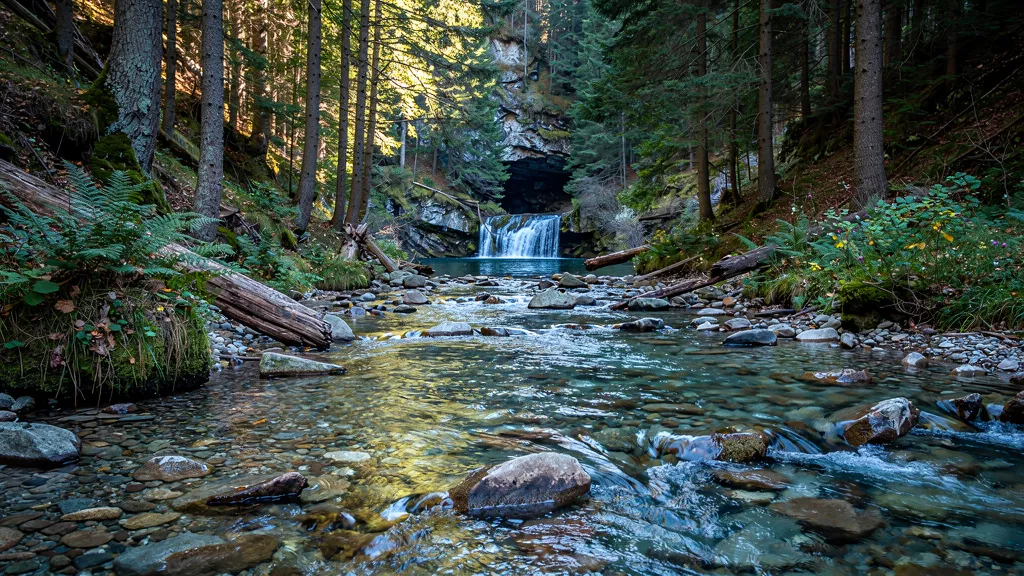
Municipal water treatment depends on electricity, intact pipes, and chemical supply chains. When any of those break — and in every major disaster, at least one does — your taps stop delivering safe water within hours. Flooding contaminates wells. Power outages shut down treatment plants.
Earthquakes rupture mains. A winter storm can freeze residential pipes for a week.
Your water plan has three layers: find it, make it safe, and keep enough on hand. Each layer backs up the others. Stored water buys you time. Purification lets you use what's available. Knowing your local sources means you're never dependent on a single point of failure.
How much you actually need
The minimum is 1 gallon (3.8 liters) per person per day — enough to drink and do minimal cooking. A realistic target is 2 gallons (7.6 liters) per person per day, which covers hygiene and dishwashing. For a household of four preparing for two weeks, that's 112 gallons (424 liters). It sounds like a lot, but it fits in a single row of 7-gallon containers along a garage wall.
Dehydration kills faster than hunger
At 3 days without water, organ function begins to fail. In hot climates or with physical exertion, that timeline compresses to 24-48 hours. Water is not a supply you can skip and compensate for later.
The three layers
Sourcing is about knowing where water exists near you before you need it. Every location has options — urban, suburban, and rural. Start with a sourcing overview to map your options, then dig into specifics: rooftop rainwater collection, nearby springs or surface water, and even atmospheric methods like solar stills or dew collection work when nothing else does. In winter, harvesting ice and snow is an underrated option. If you own property, a well is the most reliable long-term source.
Purification is about making any water source safe to drink. Boiling is the simplest and most reliable method. Filtration handles particulates and most pathogens. Chemical treatment with bleach or iodine is lightweight and cheap.
UV disinfection works in clear water with minimal gear. Distillation handles salt water and chemical contaminants that other methods miss. No single method covers all threats — knowing two or three makes you resilient.

Storage is about having water on hand before an emergency starts. The right containers matter more than most people realize — non-food-grade plastic leaches chemicals regardless of how well you clean it. At apartment scale, stackable 5-gallon jugs fit under beds. At property scale, a cistern or IBC tote holds hundreds of gallons.
All stored water needs treatment and a rotation schedule to stay safe. If your home plumbing is still intact, know your plumbing shutdown and bypass options. Used wash water can be repurposed for sanitation through greywater management. And when in doubt about any source, water testing tells you exactly what you're dealing with.
Field note
Identify your three closest natural water sources now and walk to each one. Measure the actual distance on foot, not by car. In a real emergency you may be carrying water back by hand — 8 gallons (30 liters) weighs 67 pounds (30 kg).
Where to start
- Store 1 gallon (3.8 liters) per person per day for 3 days minimum — that's 12 gallons (45 liters) for a family of four
- Buy two methods of purification: an affordable gravity filter and an inexpensive pack of purification tablets
- Walk to your three nearest natural water sources and note the round-trip time on foot
- Label every stored container with the fill date and treatment method
- Set a 6-month calendar reminder to inspect and rotate stored water
With your supply secured and your sources mapped, the next step is learning practical treatment workflows with boiling, filtration, and chemical treatment — because stored water eventually runs out, and field water must be made safe before you drink it.