Medical
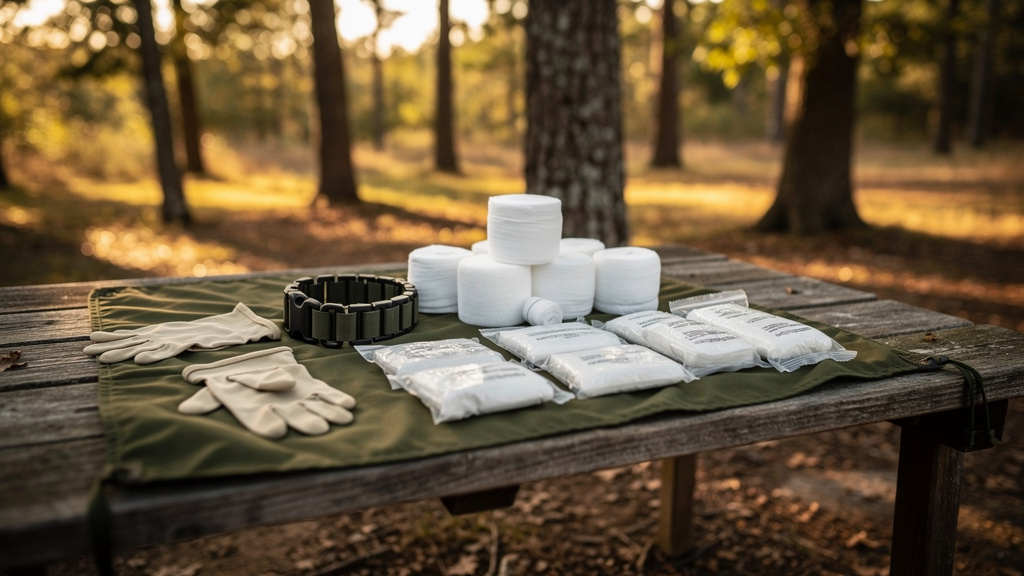
In a normal Tuesday, an ambulance reaches you in 8-12 minutes. During a regional disaster, that response time stretches to hours. In a prolonged grid-down scenario, it may not come at all. The gap between when someone gets hurt and when professional medical care arrives is your responsibility to bridge.
Medical preparedness covers three capabilities: stop the bleeding (trauma skills that prevent death in the first minutes), treat the common (managing wounds, illness, and infection over days to weeks), and sustain health (medication strategy and hygiene that keep chronic conditions managed and disease at bay).
Stop the bleeding
Uncontrolled hemorrhage is the number one preventable cause of death in trauma. The skills to stop it are simple, teachable in an afternoon, and have saved more lives outside hospitals than any other intervention.
Direct pressure and wound packing handle most serious bleeds. A tourniquet applied correctly to a limb buys 2-6 hours for definitive care — long enough to reach help in most scenarios. A chest seal manages penetrating chest wounds until surgical intervention. These three skills, practiced until they're automatic, cover the immediate threats.
Training is not optional
A tourniquet applied wrong is worse than no tourniquet. A chest seal placed without understanding tension pneumothorax creates a false sense of security. Take a Stop The Bleed class (free, 2 hours, available in most US counties) or a Wilderness First Aid certification (16 hours, affordable to moderate investment). Practice quarterly at minimum.
Treat the common
After the immediate emergency, medical care shifts to managing what happens over the next days and weeks. Wound care — cleaning, closing, dressing, and monitoring for infection — prevents small injuries from becoming life-threatening. Burns, fractures, and shock each have specific treatment protocols that are straightforward to learn.
Infection is the real killer in prolonged scenarios. A minor cut that gets infected without access to antibiotics can become septic. Proper wound cleaning, sterile dressings, and knowing the signs of infection (increasing redness, warmth, swelling, red streaks, fever) are skills that matter more when the pharmacy is closed.
Dehydration from illness, heat, or inadequate water intake is the most common medical problem in disaster settings. Oral rehydration solution — 1 liter (34 oz) of clean water, 6 teaspoons sugar, 1/2 teaspoon salt — is one of the most important medical interventions ever developed. Learn it by heart.
Field note
Build two kits, not one. An individual first aid kit (IFAK) (individual first aid kit) rides on your person or in your bag — it handles trauma in the field. A home medical kit lives in your house with broader supplies for ongoing care: wound management, OTC medications, prescription reserves, dental emergency supplies, and reference materials.
Sustain health
Chronic conditions don't pause for emergencies. If anyone in your household takes daily medication — blood pressure, thyroid, insulin, psychiatric — a stockpiling strategy is essential. Most insurance allows 90-day fills. Ask your doctor for an extra prescription citing emergency preparedness. Rotate stock using the oldest first.
Hygiene and sanitation prevent disease from gaining a foothold. In grid-down conditions, waste disposal, hand washing, water treatment, and food handling become actively dangerous if neglected. More people die from waterborne illness after disasters than from the disaster itself.
Dental emergencies are common and debilitating. A lost filling, a cracked tooth, or an abscess can be incapacitating. Inexpensive temporary dental cement, clove oil for pain, and basic extraction knowledge handle the worst scenarios until professional care is available.
Herbal and alternative remedies have legitimate applications — honey as a wound dressing has clinical evidence, garlic has antimicrobial properties, willow bark contains salicylic acid (aspirin's precursor). They supplement conventional medicine, not replace it.
Specialized trauma and conditions
Some injuries require specific assessment and treatment protocols beyond basic wound care. Gunshot wounds demand rapid hemorrhage control, exit wound management, and casualty positioning based on wound location. Emergency childbirth covers the procedures for delivery when hospital transport is impossible — cord management, postpartum hemorrhage, and newborn assessment.
Triage — the START system for sorting multiple casualties by treatment priority — becomes critical in any mass casualty scenario. Allergic reactions and anaphylaxis require immediate epinephrine administration and airway management.
Environmental conditions create their own medical emergencies. Hypothermia (passive rewarming for mild, active for moderate-to-severe), heatstroke (rapid cooling to below 102°F / 38.9°C), and pandemic preparedness (personal protective equipment (PPE) protocols, quarantine planning, and surge capacity) each have distinct treatment protocols.
Herbalism and natural medicine
Medicinal herbs — 15 plants with documented therapeutic use, from echinacea and chamomile to yarrow and elderberry — offer supplemental treatment options when conventional medicine is unavailable. Learning to identify, grow, and prepare these plants is a long-term skill investment.
Before using any herbal preparation, understand the safety rules: drug interactions (St. John's wort and CYP450 enzymes, valerian and CNS depressants), pregnancy contraindications, and dosing principles including Clark's Rule for children.
Herb preparation methods — tinctures, infusions, decoctions, salves, and poultices — each extract different plant compounds and have specific shelf lives. Proper drying and storage (95–115°F / 35–46°C dehydrator, amber glass, below 60% RH) preserves potency for 1–5 years depending on the form. A medicinal garden design integrates these plants into a practical growing plan with companion planting and seasonal calendars.
Where to start
- Take a Stop The Bleed class — free, 2 hours, available at stopthebleed.org
- Build an IFAK: tourniquet, chest seals, wound packing gauze, pressure bandage, gloves, shears
- Stock a home medical kit beyond the drugstore version: add a thermometer, pulse oximeter, oral rehydration solution (ORS) ingredients, antibiotic ointment, and a suture kit
- Secure a 90-day supply of every prescription medication your household takes
- Create a medical information card for each family member: allergies, blood type, conditions, medications, emergency contacts
With your trauma skills practiced and your kits built, the next priority is training — a Wilderness First Aid certification dramatically expands what you can handle, and regular practice keeps skills sharp when they matter most. For medication strategy beyond stockpiling, see veterinary antibiotics for the evidence on fish/bird antibiotics as a last-resort option, and first aid basics for the foundational assessment and treatment skills that underpin everything else on this page.